Pages

วันอังคารที่ 27 กันยายน พ.ศ. 2554

An allergy


Definition

An allergy is an exaggerated immune response or reaction to substances that are generally not harmful.
See also:

Causes, incidence, and risk factors

Allergies are relatively common. Both genetics and environmental factors play a role.
The immune system normally protects the body against harmful substances, such as bacteria and viruses. It also reacts to foreign substances calledallergens, which are generally harmless and in most people do not cause a problem.
But in a person with allergies, the immune response is oversensitive. When it recognizes an allergen, it releases chemicals such as histamines. which fight off the allergen. This causes itchingswelling, mucus production, muscle spasmshivesrashes, and other symptoms, which vary from person to person.
Common allergens include pollen, mold, pet dander, and dust. Food and drug allergies are common. Allergic reactions can also be caused by insect bites, jewelry, cosmetics, spices, and other substances.
Some people have allergy-like reactions to hot or cold temperatures, sunlight, or other environmental triggers. Sometimes, friction (rubbing or roughly stroking the skin) will cause symptoms.
A specific allergy is not usually passed down through families (inherited). However, if both your parents have allergies, you are likely to have allergies. The chance is greater if your mother has allergies.
Allergies may make certain medical conditions such as sinus problems,eczema, and asthma worse.

Symptoms

Allergy symptoms vary, but may include:
  • Breathing problems
  • Burning, tearing, or itchy eyes
  • Conjunctivitis (red, swollen eyes)
  • Coughing
  • Diarrhea
  • Headache
  • Hives
  • Itching of the nose, mouth, throat, skin, or any other area
  • Runny nose
  • Skin rashes
  • Stomach cramps
  • Vomiting
  • Wheezing
What part of the body is contacted by the allergen plays a role in the symptoms you develop. For example:
  • Allergens that are breathed in often cause a stuffy nose, itchy nose and throat, mucus production, cough, or wheezing
  • Allergens that touch the eyes may cause itchy, watery, red, swollen eyes.
  • Eating something you are allergic to can cause nausea, vomiting, abdominal pain, cramping, diarrhea, or a severe, life-threatening reaction
  • Allergens that touch the skin can cause a skin rash, hives, itching,blisters, or even skin peeling
  • Drug allergies usually involve the whole body and can lead to a variety of symptoms

Signs and tests

The health care provider will perform a physical exam and ask questions such as when the allergy occurs.
Allergy testing may be needed to determine if the symptoms are an actual allergy or caused by other problems. For example, eating contaminated food (food poisoning) may cause symptoms similar to food allergies. Some medications (such as aspirin and ampicillin) can produce non-allergic reactions, including rashes. A runny nose or cough may actually be due to aninfection.
Skin testing is the most common method of allergy testing. One type of skin testing is the prick test. It involves placing a small amount of the suspected allergy-causing substances on the skin, and then slightly pricking the area so the substance moves under the skin. The skin is closely watched for signs of a reaction, which include swelling and redness. Skin testing may be an option for some young children and infants.
Other types of skin tests include patch testing and intradermal testing. For detailed information, see:Allergy testing
Blood tests can measure the levels of specific allergy-related substances, especially one called immunoglobulin E (IgE).
complete blood count (CBC), specifically the eosinophil white blood cell count, may also help reveal allergies.
In some cases, the doctor may tell you to avoid certain items to see if you get better, or to use suspected items to see if you feel worse. This is called "use or elimination testing." This is often used to check for food or medication allergies.
The doctor may also check your reaction to physical triggers by apply heat, cold, or other stimulation to your body and watching for an allergic response.
Sometimes, a suspected allergen is dissolved and dropped into the lower eyelid to check for an allergic reaction. This should only be done by a health care provider.

Treatment

Severe allergic reactions (anaphylaxis) require treatment with a medicine calledepinephrine, which can be life saving when immediately given.
The best way to reduce symptoms is to try and avoid what causes your allergies in the first place. This is especially important for food and drug allergies.
There are several types of medications available to prevent and treat allergies. Which medicine your doctor recommends depends on the type and severity of your symptoms, your age, and overall health.
Specific illnesses that are caused by allergies (such as asthma, hay fever, andeczema) may require other treatments.
Medications that can be used to treat allergies include:
Antihistamines are available over-the-counter and by prescription. They are available in many forms, including:
Anti-inflammatory medications (corticosteroids) are available in many forms, including:
  • Creams and ointment for the skin
  • Eye drops
  • Nasal spray
  • Lung inhaler
Patients with severe allergic symptoms may be prescribed corticosteroid pills or injections for short periods of time.
DECONGESTANTS
Decongestants can help relieve a stuffy nose. Decongestant nasal spray should not be used for more than several days, because they can cause a "rebound" effect and make the congestion worse. Decongestants in pill form do not cause this problem.
OTHER MEDICINES
Leukotriene inhibitors are medicines that specifically block the substances that trigger allergies. Zafirlukast (Accolate) and montelukast (Singulair) are approved for those with asthma and indoor and outdoor allergies.
Allergy shots (immunotherapy) are occasionally recommended if the allergencannot be avoided and symptoms are hard to control. Allergy shots keep your body from over-reacting to the allergen. Regular injections of the allergen are given, with each dose slightly larger than the previous dose until a maximum dose is reached. They do not work for everybody and require frequent doctor's visits.

Support Groups

Expectations (prognosis)

Most allergies can be easily treated with medication.
Some children may outgrow an allergy. This is particularly true of food allergies. However, as a general rule, once a substance has triggered an allergic reaction, it continues to affect the person.
Allergy shots are most effective when used to treat those with hay fever symptoms and severe insect sting allergies. They are not used to treat food allergies because of the danger of a severe reaction. Allergy shots may require years of treatment, but they work in most cases. However, they may cause uncomfortable side effects (such as hives and rash) and dangerous outcomes (such as anaphylaxis).

Complications

Calling your health care provider

Call for an appointment with your health care provider if:
  • Severe symptoms of allergy occur
  • Treatment for allergies no longer works

Prevention

Breast-feeding children for at least 4 months or more may help prevent atopic dermatitis cow milk allergy, and wheezing in early childhood.
However, changing a mother's diet during pregnancy or while breast-feeding does not seem to help prevent allergy-related conditions.
For most children, changing diet or special formulas does not seem to prevent these problems. If there is a family history of eczema and allergies in a parent, brother, or sister, discuss the infant feeding with your child's doctor. The timing of introduction of solid foods in general, as well as use of several specific foods, can help prevent some allergies.
There is also evidence that infants exposed to certain airborne allergens (such as dust mites and cat dander) may be less likely to develop related allergies. This is called the "hygiene hypothesis" and sprang from observations that infants on farms tend to have fewer allergies than those who grow up in environments that are more sterile.
Once allergies have developed, treating the allergies and carefully avoiding those things that cause reactions can prevent allergies in the future.

References

Wallace DV, Dykewicz MS, Bernstein DI, Blessing-Moore J, Cox L, Khan DA, et al. The diagnosis and management of rhinitis: an updated practice parameter. J Allergy Clin Immunol. 2008 Aug:122(2).
Kurowski K, Boxer RW. Food allergies: detection and management. American Family Physician. 2008 June:77(12).

Acne


Definition

Acne is a skin condition that causes whiteheads, blackheads, and inflamed red lesions (papules, pustules, and cysts) to form. These growths are commonly called pimples or "zits."

Alternative Names

Acne vulgaris; Cystic acne; Pimples; Zits

Causes, incidence, and risk factors

Acne occurs when tiny holes on the surface of the skin, called pores, become clogged. Each pore is an opening to a canal called a follicle, which contains a hair and an oil gland. Normally, the oil glands help keep the skin lubricated and help remove old skin cells. When glands produce too much oil, the pores can become blocked, accumulating dirt, debris, and bacteria. The blockage is called a plug or comedone.
The top of the plug may be white (whitehead) or dark (blackhead). If it ruptures, the material inside, including oil and bacteria, can spread to the surrounding area and cause an inflammatory reaction. If the inflammation is deep in your skin, the pimples may enlarge to form firm, painful cysts.
Acne commonly appears on the face and shoulders, but may also occur on the trunk, arms, legs, and buttocks.
Acne is most common in teenagers, but it can happen at any age, even as an infant. Three out of four teenagers have acne to some extent, probably caused by hormonal changes that stimulate oil production. However, people in their 30s and 40s may also have acne.
Acne tends to run in families and can be triggered by:
Despite the popular belief that chocolate, nuts, and other foods cause acne, research does not confirm this idea.

Symptoms

Signs and tests

Your doctor can diagnose acne based on the appearance of the skin. Testing is usually not required.

Treatment

Take the following self-care steps to lessen the effects of acne:
  • Clean your skin gently with a mild, non-drying soap (such as Dove, Neutrogena, or Basics). Remove all dirt or make-up. Wash once or twice a day, including after exercising. However, avoid excessive or repeated skin washing.
  • Shampoo your hair daily, especially if it's oily. Comb or pull your hair back to keep the hair out of your face. Avoid tight headbands.
  • Try not to squeeze, scratch, pick, or rub the pimples. Although it might be tempting to do this, it can lead to skin infections and scarring.
  • Avoid touching your face with your hands or fingers.
  • Avoid greasy cosmetics or creams. Look for water-based or "non-comedogenic" formulas. Take make-up off at night. Non-comedogenic products have been tested and proven not to clog pores and cause acne.
If these steps do not clear up the blemishes to an acceptable level, try over-the-counter acne medications. These products are applied directly to the skin. They may contain benzoyl peroxidesulfur, resorcinol, or salicylic acid. They work by killing bacteria, drying up the oil, and causing the top layer of your skin to peel. They may cause redness or peeling of the skin.
If pimples are still a problem, a dermatologist can prescribe stronger medications and discuss other options with you.
Prescription medicines include:
  • Oral antibiotics (taken by mouth) such as minocyclinedoxycycline,tetracyclineerythromycin, and amoxicillin
  • Topical antibiotics (applied to the skin) such as clindamycin, erythromycinm or dapsone
  • Retinoic acid cream or gel (Retin-A) and isotretinoin pills (Accutane) -- pregnant women and sexually active adolescent females should NOT take Accutane, as it causes severe birth defects. Women taking Accutane must use two forms of birth control before starting the drug and enroll in the iPledge program.
  • Prescription formulas of benzoyl peroxide, sulfur, resorcinol, salicylic acid
  • A pill called spironolactone may help women with hormonally controlled acne.
  • A laser procedure called photodynamic therapy may also be helpful.
Birth control pills can sometimes help clear up acne. (In some cases, though, they may make it worse.)
Your doctor may also suggest chemical skin peeling, removal of scars bydermabrasion, or removal, drainage, or injection of cysts.
A small amount of sun exposure may improve acne. However, excessive exposure to sunlight or ultraviolet rays is not recommended because it increases the risk of skin cancer.

Expectations (prognosis)

Acne usually subsides after adolescence, but may last into middle age. The condition generally responds well to treatment after 6 - 8 weeks, but may flare up from time to time. Scarring may occur if severe acne is not treated. Some people, especially teenagers, can become significantly depressed if acne is not treated.

Complications

Possible complications include:
  • Changes in skin color
  • Cysts
  • Damage to self-esteem, confidence, personality, and social life
  • Permanent facial scars
  • Side effects of Accutane (including very dry skin and mucus membranes, high triglyceride levels, liver damage, and birth defects in an unborn baby; call your doctor right away if you become pregnant while taking this drug)
  • Side effects of other medications

Calling your health care provider

Call your doctor or a dermatologist if:
  • Self-care measures and over-the-counter medicine have not helped after several months
  • Your acne is severe (for example, you have lots of redness around the pimples or you have cysts) or getting worse
  • You develop scars as your acne clears up
Call your pediatrician if your baby has acne that does not clear up on its own within 3 months.

Explore the head in 3D and learn where headaches affect you.


1. Sex Causes Headaches: Here’s a surprise: men are more likely to get these types of headaches than women. According to the American Headache Society, two types of headaches are related to sexual activity: a dull ache that develops as the sex act increases or a severe one that strikes as orgasm nears. Experts say it’s best to check with your doctor the first time you get one of these headaches. Hint: performance-enhancing drugs can bring on headaches in men who have migraines.
2. Sinus Headaches Are Rare: Nasal and sinus congestion, facial pain and pressure, and a headache usually don’t add up to a sinus headache. Headache specialists say that “true” sinus headaches are rare. In a study with almost 3,000 patients who had at least six “sinus headaches” in the previous six months, medical evaluations showed that 88 percent actually had migraines. In another study, 45 percent of migraine patients had either nasal congestion or watery eyes.Tipoff: it’s probably migraine if in addition to “sinus” symptoms, you’re nauseous, sensitive to light or noise and if the headache throbs and worsens with activity. 
3. Processing 3D Images Causes Brain Strain: A Northwestern University ophthalmology professor warns that a large segment of the population may develop a headache and nausea while watching 3D movies. This is due to the brain strain involved with processing the three dimensional images - the more an image jumps out at you, the more effort your brain must make to fuse the pictures together, says Northwestern University's Michael A. Rosenberg, MD. 
4. Take-Off and Landing Lead to Headaches: No, this has nothing to do with the aggravation of cancelled flights or long delays. Instead, sudden, severe, stabbing headaches during a plane’s ascent or descent are being reported. Doctors haven’t figured out yet what causes them. Luckily, the pain lasts only about 20 minutes. 
5. Bug Spray Prompts Headaches: It’s not the bugs but exposure to insecticidesused to kill them that causes these headaches (plus dizziness, trouble breathing, nausea and vomiting). According to the U.S. Centers for Disease Control and Prevention, most cases required no medical treatment, but one death has been reported and 18 percent of those exposed to the insecticides required medical attention.    
6. High Cholesterol Causes Headaches: You may not have to worry unless you’re in your late 60s or older and have migraines with aura (the flashing lights, tingling and other signs of a headache’s approach that about one-third of migraine patients report). A recent study found a link between migraine with aura and high cholesterol in seniors. Migraine with aura has also been linked to a higher risk of heart disease and stroke. 
7. Headaches Might Be Genetic: Researchers have pinpointed three genetic variations linked to an increased risk of migraines. One is involved in sensingcold and pain, another is linked to several processes including signaling in nerve cells (neurons). The role of the third isn’t yet known. Each of the gene variations identified alters the risk for migraines by 10 to 15 percent. 
8. Alcohol, As a Trigger, Is Overstated: Research from Italy suggests that the role of alcohol and some foods in triggering migraines has been overstated. Instead, the investigators found that stress, fatigue and in women, menstruation are most often the culprits. They suggested that migraine patients who want todrink alcohol could try small amounts of specific types to see what they can tolerate. 
9. Botox Can Treat Headaches: Best known as a wrinkle remover, Botox also can put the brakes on chronic migraines (those that occur 15 days per month or more). The U.S. Food and Drug Administration has approved the use of Botox for migraine prevention. Injections seem to cut down on headaches, although studies suggest that Botox doesn’t work as well as some prescription drugs.  Researchers still haven’t figured out how Botox staves off the headaches, but they do know that effects last only about three months before patients have to be re-injected. 
10. The Battlefield Has Created a New Type of Headache: About one third of the soldiers returning from Iraq are bringing with them a new type of chronic migraine caused by nerve damage or the pressure from bomb blast waves. While these headaches are still being studied, treatments include rest, avoiding migraine triggers, stress management and changes of diet.

10 อันดับกระดาษโน๊ตเท่ห์ๆ


วันนี้ขอเสนอ "10 อันดับกระดาษโน๊ตเท่ห์ๆ" เห็นแล้วอยากเขียนอะไรขึ้นมาในทันที เพราะออกแบบได้เก๋มากๆ

10. Read My Lips Sticky Notes
เป็นโน๊ตที่เหมาะกับคุณผู้หญิงที่สุดตั้งแต่เคยเห็นมาเลยนะเนี่ย


9. SIMBook Notepad

ออกแบบให้เหมือนกับ SIM มือถือ


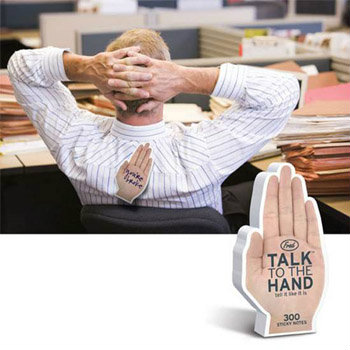
8. Talk to the hand sticky notes
ทำออกมาในรูปแบบของมือ แปลกแหวกแนวดีครับ


7. Fruit Memo Pad

มันจะเหมือนอะไรขนาดนั้น เกือบจะกินแล้วนะเนี่ย


6. Murder Ink

แนวสุดๆเลยกับเจ้ากระดาษโน็ตสุดแนว มีพร้อมปากกาโชกเลือด และเจ้ากระดาษโน็ตเป็นรูปร่างคน และจะมีรูให้เสียบปากกา


5. Clever Memo Block Sticky Note Pad

ถ้าไม่บอกว่าเป็นกระดาษโน็ตบอกตรงๆว่าผมก็คิดว่ามันเป็นท่อนไม้มากกว่า


4. Disk-it Sticky Notes

ทำออกมาในรูป Disk ขนาด 1:1 เหมือนมากๆ


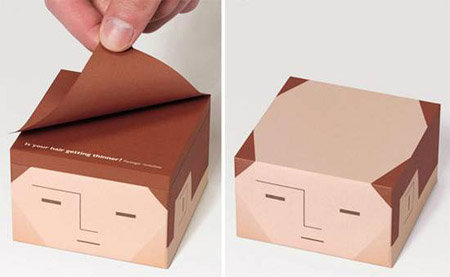
3. Balding Memo Pad

ใช้มากๆ หัวล้านกันเลยทีเดียว


2. AquaNotes Waterproof Notepad
กระดาษโน็ตกันน้ำ เวลามีไอเดีย หรือ นึกอะไรออก ทีนี้เหละ จะได้จดได้ โดยไม่ต้องกลัวเปียกซะที


1. Ipad โน๊ต

เห็นช่วงนี้ฮิตกันจริงๆ มองไปทางไหนก็จิ้มๆกัน ถือกระดาษโน็ตอันนี้ก็เหมือนถือ ipad เลย ขนาด 1:1 เลยนะ เนี่ย

10 อันดับ สิ่งอันตรายที่ธรรมชาติสร้างขึ้น


รู้ๆกันอยู่ว่า อันตรายจากธรรมชาติมีมากมาย เลยจัดอันดับให้ทุกท่านได้รู้กันว่า อันตรายจากธรรมชาติแบบไหนอันตรายที่สุด

10. ฮันนี่แบดเจอร์(Honey Badger)
ฮันนี่แบ็ดเจอร์เป็นสัตว์ที่ ร้ายกาจที่สุดอาศัยอยู่ใน แอฟริกาและเอเชียตะวันตกเฉียงใต้ มันอาศัยอยู่ใต้ดินเป็นครอบครัว ตั้ง 20 ตัว มันว่องไว ฉลาด(ประดิษฐ์เครื่องมือต่างๆ ได้ เช่น บันได) มีเขี้ยวแหลมคม หนังหนา ทำให้มันจึงกลายเป็นสัตว์ใจกล้า อาหารของมันมีเล็กจนถึงใหญ่ ไม่ว่าจะเป็น พวกสัตว์เล็กๆ พวกปลวก, กระต่าย, เม่น,งู(พิษไม่พิษกินหมด), แมงป่อง, กวาง, วิลเดอบิส(รูปร่างคล้ายวัว) สรุปคือสัตว์ทุกชนิดมันกินหมด(แต่มันชอบน้ำผึ้ง มากกว่า) จนได้รับฉายาว่า "สัตว์ที่ไม่กลัวอะไรเลย" ชื่อของมันลงกินเนสบุ๊ค ปี 2002 มันเคยชนะจระเข้ด้วยนะ และมีรายงานว่ามันฆ่าสิงโต เสือดาว ด้วย


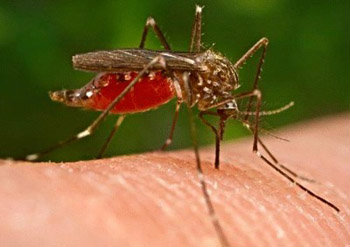
9. ยุง(Mosguito)

ยุง เป็นแมลงที่พบได้ทั่วโลก จากหลักฐานฟอสซิลพบว่ามันมีมาตั้งแต่สมัยยุคดึกดำบรรพ์ 38-54 ล้านปีมาแล้ว ยุงขึ้นชื่อว่าเป็นแมลงที่ร้ายกาจที่สุด โดยเฉพาะตัวเมียที่กินเลือดของสัตว์เป็นอาหาร อีกทั้งยังเป็นพาหนะของโรคต่างๆ ไม่ว่าจะเป็น ไข้เลือดออก มาเลเรีย โรคเท้าช้าง เคยเกิดโรคระบาดอย่างไข้เลือดออกในประเทศไทยทำให้เด็กตายหลายคนมาแล้ว และนอกจากนี้จะกำจัดยังไงก็ไม่สูญพันธุ์และมันยังคงอยู่คู่โลกใบนี้ต่อไปอีก นานเท่านาน


8. โรคนอนไม่หลับมรณะ(Fatal Familial Insomnia)

เรียกได้ว่าเป็นอาการของโรคที่เลวร้ายที่สุด เป็นโรคที่หายาก และไม่ทราบสาเหตุของมันแน่ชัดแต่คาดว่าน่าจะเกิดจากพันธุกรรม มีสถิตการเกิดโรคนี้ประมาณ 28 ครอบครัวทั่วโลก เป็นโรคที่รักษาไม่หาย เป็นแล้วตายแน่นอน 100 เปอร์เซ็นต์ และเมื่อเกิดโรคจะมีความทรมานยิ่งกว่ามะเร็งและเอดส์เสียอีก คืออาการแรกเริ่มก็คือนอนไม่หลับ ไม่ใช่ไม่หลับแค่ 2- 3 วันน่ะ แต่ไม่หลับตลอด 7-36 เดือนตั้งแต่เกิดโรคไปจนตายเลย(36 เดือนตาย แสดงว่าชีวิตคุณคงอยู่ได้ประมาณ 3 ปี โดยนอนไม่หลับ) และในระหว่างนั้นยังมีโรคอื่นๆ แทรกซ้อนอีก เช่น 1.คนไข้นอนไม่หลับ ทำให้เกิดอาการทางจิตกลัวอะไรต่างๆ มากมาย หวาดระแวง หวาดกลัว อาการเหล่านี้จะต่อเนื่องสี่เดือน 2.คนไข้เริ่มมีอาการระบบประสาทเห็นภาพหลอน ตื่นตระหนก อาการเหล่านี้จะต่อเนื่องห้าเดือน 3.ร่างกายอ่อนแอ น้ำหนักลดลง เกิดอาการแพ้ต่างๆ อาการเหล่านี้จะต่อเนื่องสามเดือน 4.วิตกกังวล ความจำเสื่อม และช่วงท้ายๆ ของโรคจะไม่ตอบสนองต่อสิ่งเร้าต่างๆ อาการเหล่านี้จะต่อเนื่องหกเดือน และเป็นอาการสุดท้าย จะเป็นแบบนี้จนกระทั่งตายลงอย่างทรมาน


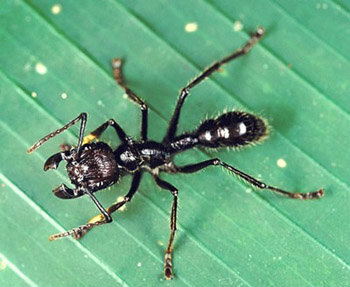
7. มดวัว(Bull Ant)

มดที่อาศัยในป่าออสเตรเลียตะวันออก เป็นมดโบราณ มีนิสัยแตกต่างจากมดชนิดอื่นๆ ตรงที่มันชอบฉายเดี่ยวล่าเหยื่อ(ตัวมันใหญ่นี้น่า) นอกจากกัดแล้วมันยังต่อยได้อีก เพราะมันมีเหล็กในที่ก้น(เป็นญาติห่างๆ ผึ่ง ต่อ แตน หรือเปล่าเนี้ย) นอกจากนั้นยังมีสายตามองไกลถึง 2 เมตร เรียกได้ว่าน่ากลัวจริงๆ แต่กระนั้นมันก็มีจุดอ่อนคือมันไม่สามารถรับกลิ่นต่างๆ ได้ดีเท่ามดทั่วไปดังนั้นมันจึงอาศัยด้วยตาแทน และแม้มันจะกัดจะต่อยคนไม่ถึงตายเพราะพิษไม่รุนแรง แต่กระนั้นความเจ็บของมันนั้นเรียกได้ว่าเจ็บที่สุดในบรรดาสัตว์ที่กัดมาทุก ชนิดบนโลกใบนี้ เพราะอาการที่มดนี้กัด มีทั้ง แสบร้อน ปวดตุ้บๆ และอาการเหล่านี้มีฤทธิ์นานหลายวันทีเดียว เคยมีรายงานคนตายเพราะมันด้วยนะ


6. เฟินน้ำซาลวิเนีย(Salvinia Molesta)

วัชพืชที่ยุ่งยามที่สุด เป็นสิ่งมีชีวิตที่กำจัดยังไงก็ไม่มีวันหมด เป็นพืชชนิดหนึ่งอยู่ในกลุ่มเฟินน้ำ ลอยอยู่บนผิวน้ำ มันเติบโตเร็วมาก ใช้เวลาเพียง 2 วันก็เติบโตเต็มที่ นอกจากนั้นยังแพร่พันธุ์เป็นจำนวนมากมายมหาศาลในเวลาอันรวดเร็วด้วย ผลคือเต็มสระทะเลสาป บังสระมิดจนเกิดหายนะ จนทำให้พืชน้ำตายเพราะว่ามันแย่งแสงอาทิตย์ที่ส่องมา และเมื่อไม่มีพืชน้ำสัตว์น้ำก็จะตายเพราะขาดอาหารและออกซิเจนในที่สุด อีกทั้งพืชชนิดนี้กำจัดยังไงก็ไม่มีวันหมด ใน UN เคยเอารถปั่นจันขนมันไปทิ้งจนหมดสระ แต่ก็ไม่แก้ปัญหาได้ เพราะมันแพร่พันธุ์ได้ เพราะส่วนที่เหลือจากการตัดทิ้งสามารถเจริญเติบโตแพร่พันธุ์ท้ายสุด จนเป็นปัญหาต่อชาวบ้านอย่างมากสำหรับสิ่งมีชีวิตนี้


5. ดอกซากศพ(Corpse Flower)

มีถิ่นกำเนิดที่เกาะสุมาตรา อินโดนีเซีย มีดอกขนาดใหญ่ สูงเกิน 6 ฟุต กว่าดอกจะออกก็นานมากประมาณ 4- 5 ครั้ง เป็นดอกไม้ที่มีกลิ่นเหม็นอย่างร้ายกาจ กลิ่นของมันเหมือนซากศพ(ดังนั้นชื่อของมันเลยตั้งว่าซากศพ) ที่มีกลิ่นนั้นก็เพื่อล่อแมลงมาตอมดอกเพื่อเอาเกสรไปผสมพันธุ์ แม้กลิ่นมันจะเหม็นเพียงใดก็ตามแต่กระนั้นนักท่องเที่ยวต่างพากันมาชมความสวยงามของมัน


4. แมงมุมบราซิล(The Brazilian Wandering spider)

เป็นแมงมุมที่มีพิษที่ร้ายแรงที่สุดของโลก พิษของมันจะทำลายประสาท พิษของมันถ้าโดนกัดจะเจ็บปวดมาก ทำให้อวัยวะเพศควบคุมไม่ได้ และทำเสื่อมสมถรรณภาพทางเพศด้วย และถ้าไม่รักษาให้ทันเวลาละก็อาจตายได้ เป็นแมงมุมที่อันตรายมากที่สุด มีนิสัยชอบแอบอยู่ตามรองเท้า ตู้เสื้อผ้า แต่ส่วนใหญ่อยู่ป่ากล้วยอ่ะนะ(มันมีอีกชื่อหนึ่งว่า แมงมุมกล้วย บราซิลเป็นประเทศที่ปลูกกล้วยมากที่สุดในโลก


3. ปลาแคนดิรู(Candiru)

หรือเรียกอีกอย่างหนึ่งว่า ปลาไม้จิ้มฟัน พบในแม่น้ำอะเมซอน เป็นปลาที่มีขนาดเล็ก ใหญ่สุดก็ 5 นิ้ว แต่พิษสงนี้ร้ายกาจเกินรูปร่างเลยแหละ ชาวบ้านแถวๆ นั้นกลัวปลาชนิดนี้อย่างมาก มันมีนิสัยเป็นเกาะชาวบ้านกิน มันจะเกาะเหงือกของปลา แล้วก็กัดเหงือกดูดเลือดจากปลานั้นๆ เป็นอาหารจนพอใจ มันขึ้นชื่อว่าเป็นปลาที่สกปรกที่สุด เพราะมันมีนิสัยชอบกลิ่นของปัสสาวะ ถ้าชาวบ้านคนไหนที่เข้ามาว่ายน้ำและฉี่ใส่ลงในแม่น้ำ มันจะรีบว่ายตามกลิ่นยูเรียนั้น จากนั้นมันจะมุดตัวเองเข้าไปอยู่ในท่อปัสสาวะของคน คนที่โดนปลานี้เข้าไปในร่างกายจะเจ็บปวดทรมานมาก มีทางเดียวคือต้องผ่าตัดออก ไม่เช่นนั้นจะเน่าถึงขั้นตัดท่อปัสสาวะทิ้งเลยทีเดียว


2. มนุษย์(human)

มนุษย์เป็นสัตว์ที่มีสมองและฉลาดที่สุดบนโลก เป็นจ้าวโลกด้วย แต่เพราะความมีสมองนี้เอง ทำให้กลายเป็นสัตว์ที่ทำร้ายสิ่งแวดล้อมมากที่สุด พวกเขาทำให้น้ำและอากาศสกปรก พวกเขาทำลายป่า ทำลายภูเขา พวกเขามีจรวดปรมาณูที่ทำลายต่อโลก พวกเขามีส่วนทำให้เกิดโรคระบาดชนิดใหม่ๆ ทำลายสิ่งมีชีวิตในธรรมชาติ


1. บอทูลินัม ท็อกซิน(Botulinum Toxin)

ยังมีสิ่งที่ร้ายกว่ามนุษย์อีกเรอะ คำตอบก็คือมีสิ เพราะมันคือ อาวุธเชื้อโรคไงละ มันคือสิ่งมีชีวิตเดียวที่ทำให้มนุษย์สูญพันธุ์ได้ บอทูลินัม ท็อกซินเป็นอาวุธเชื้อโรคที่เกิดการสร้างขึ้นโดยแบคทีเรียที่ชื่อ คลอสตริเดียม บอทูลินัม(Clostridium botulinum เป็น แบคทีเรียที่ไม่พึ่งออกซิเจน มีรูปร่างตรงหรือโค้งเล็กน้อย เคลื่อนไหวได้ ความกว้าง 0.5-2.0 um ความยาว 1.6-22.0 um ความจริงเชื้อโรคพวกนี้สามารถพบได้ทั่วโลกในดินและแหล่งน้ำ ชนิดที่ร้ายแรงคือ types A, B และ E(types A นั้นสามารถมาดัดแปลงเป็นเครื่องสำอางได้ด้วย) มีฤทธิ์ทำให้คลื่นไส้ อาเจียน หมดแรง และเสียชีวิต อาการขึ้นอยู่กับรับเชื้อทางไหน แต่หากนำมาใช้ในสงครามแล้ว สารพิษจะออกฤทธิ์อย่างรวดเร็ว มีการคาดว่ากลุ่มก่อการร้ายทั่วโลกได้นำเชื้อนี้เป็นอาวุธชีวภาพสามารถใช้สารพิษชนิดนี้พ่นเพียง 1 กรัม จะสามารถทำลายชีวิตมนุษย์ได้ถึง 1.5 ล้านคน!! มีข้อมูลเสริมนิดหน่อยๆ แม้ว่าพิษนี้จะอันตรายแต่ก็มีประโยชน์การแพทย์เหมือนกัน เช่นใช้ในการผลิดเซรุ่มเป็นต้น

คุยกันมันส์ๆ