Pages

วันพุธที่ 28 กันยายน พ.ศ. 2554

7 วิธี ขับประหยัดกับเกียร์ ออโต้


ช่วงนี้แม้ราคาน้ำมันอาจจะลงไปแล้วหลังนโยบายรัฐบาลตัดสินลดการเก็บเงินเข้ากองทุนน้ำมันส่งผลให้ราคาทรุดฮวบไปในทันใด แต่ถึงจะเริ่มวางใจได้แต่นโยบายนี้ก็เปิดมาแล้วว่าเป็นเพียงแค่ชั่วคราว และการประหยัดที่แท้จริงยังอยู่กับเราๆท่านๆเหมือนเดิม
หลายครั้งที่เราออกมาพูดเรื่องการประหยัดน้ำมันปาวๆ ทำโน่นนี่นั่น แต่ครั้งนี้เราจะต่างออกไปด้วยการพูดถึงเทคนิคการขับเสียส่วนใหญ่ ที่คราวนี้เราขอตามกระแสกับ 7 เทคนิคที่คุณต้องรู้เอาไว้ ถ้าคุณกำลังใช้รถเกียร์อัตโนมัติ
1.รู้จักรถยิ่งขับยิ่งประหยัด เราหลายคนรู้จักรถดีขับมันทุกวันแต่ไม่คุ้นเคยกับนิสัยของมันเรื่องนี้เป็นข้อเท็จจริงที่น่าแปลก เพราะการขับขี่นั้นจำเป็นต้องรู้จักรถให้ดี สิ่งหนึ่งที่ต้องจดจำคือช่วงที่แรงบิดสูงสุดถูกเรียกออกมา ซึ่งจะมีประโยชน์มากยามเร่งแซง
2.Walking Speed หลายคนที่ขับรถนั้นไม่ค่อยคุ้นกับคำนี้เท่าไรนักแต่ walking Speed นั้นหมายถึงการที่รถยนต์สามารถเคลื่อนได้ด้วยตัวเองโดยที่เราไม่ต้องแตะคันเร่ง ตามปกติสำหรับเกียร์ออโต้แล้ว Walking speed คือสิ่งที่เราทำกันอยู่ประจำยามที่เราไม่ได้เดินคันเร่ง ซึ่งมีประโยชน์ตอนที่กาจราจรติดขัดหรือตอนเข้าที่จอดรถ เพราะยิ่งเร่งน้อยก็ยิ่งประหยัด
3 เกียร์ ขึ้นทางชันรับรองว่าประหยัดกว่า ในการขึ้นทางชันนั้นเราหลายคนมักละเลยในการเปลี่ยนโหมดเกียร์มาใช้เกียร์ L ด้วยความสะดวกเข้าว่า ความจริงแล้วถามว่าผิดหรือคำตอบคือไม่ แต่มันไม่เหมาะสม เพราะเกียร์ D นั้นจะทำการเปลี่ยนเกียร์ แต่ในการขึ้นทางชันที่แรงต้านทานจากเนินสูง โดยเฉพาะการขึ้นที่จอดรถ การใช้เกียร์ L โดยใช้กำลังแรงบิดเครื่องส่งขึ้นนั้นจะทำให้รถไม่ต้องออกแรงสู้กับเนินมากผลคือประหยัดกว่า ชัวร์!
4.คิกดาวน์อย่าทำบ่อยถ้าไม่จำเป็น การคิกดาวน์ในเกียร์อัตโนมัตินั้นถือเป็นเรื่องที่ค่อนข้างสร้างความสะดวกสบายในการเร่งแซง แต่มันก็ต้องแลกมาดัวยอัตรากินน้ำมัน ซึ่งแม้ระบบเกียร์ปัจจุบันจะมีการพัฒนาให้ตอบสนองได้ดีส่งกำลังได้มากยิ่งขึ้น แต่การคิกดาวน์ก็ยังเปรียบได้ดั่งการกระชากเกียร์อยู่ดี
หลายคนที่ขับเกียร์อัตโนมัติเข้าใจว่าการคิกดาวน์นั้นเป็นหนทางเดียวที่เร่งแซง แต่ความจริงแล้วนอกจากที่ปลายเท้าแล้วยังมีการใช้ระบบ Overdrive หรือ O/d ซึ่งทำให้เกียร์เปลี่ยนอย่างนิ่มนวลมากกว่าการคิกดาวน์หรือบางคันเป็นตำแหน่ง 3/D3 ตามแต่ยี่ห้อรถ
คันเร่งเดินให้เนียน หลายคนที่ไม่ได้ฝึกขับรถอย่างจริงจังนั้นมักจะไม่ทราบว่าการเดินคันเร่งนั้น เป็นเรื่องสำคัญยิ่งชีพในการพิชิตความประหยัดที่จะใช้น้ำมันทุกหยดให้คุ้มค่า การใช้คันเร่งนั้นเป็นเรื่องที่สำคัญมากในรถเกียร์ออโต้ เพราะเมื่อเรากดคันเร่งลึกไประบบเกียร์ก็จะคิกดาวน์หรือน้อยไป รถก็วิ่งแบบคลานๆ เราต้องหาความพอดี โดยอาจจะใช้วิธีกดเร่งไปถึงระดับความเร็วที่ต้องการก่อนแล้วผ่อนรักษาความเร็ว ซึ่งก็เป็นวิธีหนึ่งที่ให้การประหยัดน้ำมันที่ดีทีเดียว และที่สำคัญไปกว่านั้นพยายามรักษาความเร็วให้คงที่ตลอดทาง หากรถคุณมีระบบ Cruise Control อย่าลืมที่จะใช้มันในการขับขี่
6.เบรคให้น้อยชะลอบ่อยๆ เราหลายคนที่ขับรถยนต์เกียร์ออโต้ที่ชินกับการเร่งและเบรคนั้น อาจจะไม่ค่อยมีสไตล์การขับขี่ที่ใช้วิธีชะลอความเร็วเหมือนคนที่ขับรถเกียร์รรมดา ส่วนหนึ่งต้องยอมรับว่ามาจากความคุ้นเคย แต่เชื่อหรือไม่การชะลอความเร็วโดยไม่เบรคนั้นเป็นหนึ่งในกระบวนการของวิธีประหยัดน้ำมันด้วย
เรื่องนี้ฟังดูไม่น่าเกี่ยวกันแต่มันคือข้อเท็จจริงที่ว่าเมื่อเราเบรคลดลมจากท่อไอดีจะถูกดูดมาที่หม้อลมเพื่อลดการทำงานของเครื่องยนต์ซึ่งจะมีอัตราลดลงมากกว่าการที่เราไม่เหยียบคันเร่งหรือชะลอความเร็ว นี่ยังไม่นับการสูญเสียน้ำมันกับการเร่งเมื่อความเร็วลดลงกว่าที่ขับปติ ซึ่งเท่ากับการซดน้ำมัน 2 เท่าตัว
7.หัดใช้เทคโนโลยีใหม่ ปัจจุบันรถยนต์เกียร์ออโต้หลายรุ่นเริ่มมีการติดตั้งระบบ start/stop function เข้ามาเพื่อหยุดการทำงานเครื่องยนต์ชั่วคราว ระบบนี้ช่วยคุณประหยัดได้มาก-มาที่สุดในสภาวะการจราจรที่ติดขัด เพราะเมื่อเครื่องยนต์หยุดทำงานก็หยุดจ่ายน้ำมัน ผลคือประหยัดแน่นอน ดังนั้นจึงควรเรียนรู้ไว้ โดยปกติแล้วระบบดังกล่าวจะทำงานเมื่อเราเหยียบแป้นเบรคเป็นระยะเวลานานๆ ส่วนวิธีการรีสตาร์ทเครื่องนั้นก็เพียงกดคันเร่งก็สามารถขับขี่ต่อได้ นอกจากนี้ยังมีอีกหลายระบบที่สำคัญต้องลองหัดดูครับ
ทั้ง ข้อนี้เป็นเพียงเรื่องราวเล็กๆน้อยๆที่ช่วยให้คุณสามารถเซฟเงินในกระเป๋าได้เมื่อขับรถเกียร์ออโต้ ที่แม้ราคาน้ำมันในชั่วโมงนี้อาจจะยังไม่น่าห่วงแต่ฝึกเอาไว้ให้ชินจะมีประโยชน์มากเมื่อยามน้ำมันกลับมาแพง

วิธีเช็คโทรศัพท์ สมาร์ทโฟนเบื้องต้น ก่อนเสียเงินซื้อเครื่องห่วยกลับบ้าน !!


ใกล้งาน Thailand Mobile Expo 2011 Showcase เข้าไปทุกที เหลือเวลาอีกไม่กี่วัน งานโทรศัพท์ที่ใหญ่ที่สุดในประเทศก็จะเริ่มขึ้นแล้วครับ (ดูโปรโมชั่นทั้งหมดได้ที่นี่) พวกเราหลายๆ คนคงคิดที่จะเปลี่ยนมือถือใหม่กันในงานนี้ เพราะหวังจะได้เครื่องใหม่ ราคาพิเศษพร้อมของแถมอีกเพียบ แต่คงไม่มีใครที่อยากเจอกับเครื่องใหม่ที่เราซื้อมานั้น พอกลับถึงบ้านแล้วพบว่ามีปัญหา จะเอากลับไปเปลี่ยนบางเจ้าเค้าก็ไม่รับเปลี่ยนคืน วันนี้เรามีวิธีเช็คเครื่องในงานเบื้องต้นก่อนที่จะจ่ายเงิน และกลับบ้าน ไม่งั้นเงินที่เก็บมาเป็นเดือนๆ ปีๆ จะต้องเสียไปกับเครื่องที่ QC ห่วยๆ
1. เช็ค Stuck Pixel และ Death Pixel
Stuck pixel คือ จุดที่เมื่อจอแสดงภาพสีดำสนิท จะสังเกตเห็นว่าจุดบางจุดบนจอสว่างอย่างถาวร โดยจุดที่สว่างอาจเป็นสีแดง น้ำเงิน หรือเขียว ก็ได้ และถึงแม้จอจะเปลี่ยนไปแสดงภาพสีอื่นๆ จุดสว่างดังกล่าวก็ยังสว่างค้างเป็นสีเดิมอยู่
Death pixel คือ จุดๆหนึ่ง ตายสนิทแน่นิ่งไม่ตอบสนองต่อแสงเลย จุดอื่นเค้าได้รับสีอะไรก็แปลงเป็นสัญญาณไฟฟ้าตามแต่ละสี แต่จุดนี้ได้รับสีอะไร ก็ไม่รับรู้ ไม่ส่งสัญญาณไฟฟ้าออกไป ทำให้จุดนั้นในไฟล์บอดสนิทหลายต่อหลายคนซื้อมือถือไปโดยลืมเช็ค Stuck pixel และ Death pixel ทำให้ต้องเสียความรู้สึก ดังนั้นเราจึงไม่ควรลืมที่จะเช็คให้ดีก่อนออกจากร้านครับ
สำหรับวิธีเช็ค
1).ขอให้ทางร้านเช็คให้ โดยการลงโปรแกรม
2).ถ้าทางร้านไม่มีโปรแกรมให้เช็ค ลองถ่ายรูปโดย เอามือปิดหรือเอาผ้าสีดำปิดที่กล้องอย่าให้มีแสงเข้าเพื่อให้หน้าจอได้แสดง สีดำสนิท และเช็คดูว่ามี Stuck pixel ตรงไหนหรือเปล่า (ช่วยได้บ้างการณีที่ทางร้านไม่มีโปรแกรมให้เช็ค)
3).หรือถ้าที่ร้านไม่มีโปรแกรมเช็คก็ลองเข้าเว็บไซต์ htcsociety ครับ ลองพลิกหน้าจอกลับไปกลับมาตรวจหา Death pixel, Stuck pixel กันดู

2.เช็คอาการแสงลอด (bleeding screen)
ลองเอามือบังดูหรือดูในที่มืดๆครับ ดูตามขอบจอครับว่ามีแสงลอดออกมาหรือเปล่า
3.เช็คเสียง
เช็คลำโพงครับว่ามีเสียงแตกหรือเปล่า

4.เช็ค IMEI และ S/N (Serial Number)
เช็ค IMEI และ S/N (Serial Number) ที่สติ๊กเกอร์ข้างกล่องและช่องใส่แบตจะต้องตรงกัน เครื่องว่าตรงกับกล่องหรือเปล่า

5.ตรวจดูอุปกรณ์ในกล่องว่าครบหรือไม่เช่น สายเคเบิ้ล USB, หูฟัง, แบตเตอร์รี่, สายชาร์ท, คู่มือ, ใบรับประกัน

6.ตรวจสอบตัวเครื่องโดยรอบดูความเสียหายของตัวเครื่องทั้ง รอยขีดข่วน รอยขนแมว รอยบิ่น หักและชำรุด ถ้ามีให้รีบแจ้งกับพนักงานขายให้เปลี่ยนเครื่องใหม่ทันที


7.ลองโทรออกทดสอบคุณภาพเสียงสนทนา, เช็ค Bluetooth หรือ การเชื่อมต่อ Wi-Fi ด้วยถ้ามี


เท่านี้คุณก็จะไม่ต้องปวดหัวกับมือถือเครื่องใหม่ ที่จ่ายเงินเต็ม แต่ได้ของไม่คุ้มกับเงินที่จ่ายไป ขอให้โชคดี และมีความสุขกับสมาร์ทโฟนเครื่องใหม่ครับ ^^

วันอังคารที่ 27 กันยายน พ.ศ. 2554

An allergy


Definition

An allergy is an exaggerated immune response or reaction to substances that are generally not harmful.
See also:

Causes, incidence, and risk factors

Allergies are relatively common. Both genetics and environmental factors play a role.
The immune system normally protects the body against harmful substances, such as bacteria and viruses. It also reacts to foreign substances calledallergens, which are generally harmless and in most people do not cause a problem.
But in a person with allergies, the immune response is oversensitive. When it recognizes an allergen, it releases chemicals such as histamines. which fight off the allergen. This causes itchingswelling, mucus production, muscle spasmshivesrashes, and other symptoms, which vary from person to person.
Common allergens include pollen, mold, pet dander, and dust. Food and drug allergies are common. Allergic reactions can also be caused by insect bites, jewelry, cosmetics, spices, and other substances.
Some people have allergy-like reactions to hot or cold temperatures, sunlight, or other environmental triggers. Sometimes, friction (rubbing or roughly stroking the skin) will cause symptoms.
A specific allergy is not usually passed down through families (inherited). However, if both your parents have allergies, you are likely to have allergies. The chance is greater if your mother has allergies.
Allergies may make certain medical conditions such as sinus problems,eczema, and asthma worse.

Symptoms

Allergy symptoms vary, but may include:
  • Breathing problems
  • Burning, tearing, or itchy eyes
  • Conjunctivitis (red, swollen eyes)
  • Coughing
  • Diarrhea
  • Headache
  • Hives
  • Itching of the nose, mouth, throat, skin, or any other area
  • Runny nose
  • Skin rashes
  • Stomach cramps
  • Vomiting
  • Wheezing
What part of the body is contacted by the allergen plays a role in the symptoms you develop. For example:
  • Allergens that are breathed in often cause a stuffy nose, itchy nose and throat, mucus production, cough, or wheezing
  • Allergens that touch the eyes may cause itchy, watery, red, swollen eyes.
  • Eating something you are allergic to can cause nausea, vomiting, abdominal pain, cramping, diarrhea, or a severe, life-threatening reaction
  • Allergens that touch the skin can cause a skin rash, hives, itching,blisters, or even skin peeling
  • Drug allergies usually involve the whole body and can lead to a variety of symptoms

Signs and tests

The health care provider will perform a physical exam and ask questions such as when the allergy occurs.
Allergy testing may be needed to determine if the symptoms are an actual allergy or caused by other problems. For example, eating contaminated food (food poisoning) may cause symptoms similar to food allergies. Some medications (such as aspirin and ampicillin) can produce non-allergic reactions, including rashes. A runny nose or cough may actually be due to aninfection.
Skin testing is the most common method of allergy testing. One type of skin testing is the prick test. It involves placing a small amount of the suspected allergy-causing substances on the skin, and then slightly pricking the area so the substance moves under the skin. The skin is closely watched for signs of a reaction, which include swelling and redness. Skin testing may be an option for some young children and infants.
Other types of skin tests include patch testing and intradermal testing. For detailed information, see:Allergy testing
Blood tests can measure the levels of specific allergy-related substances, especially one called immunoglobulin E (IgE).
complete blood count (CBC), specifically the eosinophil white blood cell count, may also help reveal allergies.
In some cases, the doctor may tell you to avoid certain items to see if you get better, or to use suspected items to see if you feel worse. This is called "use or elimination testing." This is often used to check for food or medication allergies.
The doctor may also check your reaction to physical triggers by apply heat, cold, or other stimulation to your body and watching for an allergic response.
Sometimes, a suspected allergen is dissolved and dropped into the lower eyelid to check for an allergic reaction. This should only be done by a health care provider.

Treatment

Severe allergic reactions (anaphylaxis) require treatment with a medicine calledepinephrine, which can be life saving when immediately given.
The best way to reduce symptoms is to try and avoid what causes your allergies in the first place. This is especially important for food and drug allergies.
There are several types of medications available to prevent and treat allergies. Which medicine your doctor recommends depends on the type and severity of your symptoms, your age, and overall health.
Specific illnesses that are caused by allergies (such as asthma, hay fever, andeczema) may require other treatments.
Medications that can be used to treat allergies include:
Antihistamines are available over-the-counter and by prescription. They are available in many forms, including:
Anti-inflammatory medications (corticosteroids) are available in many forms, including:
  • Creams and ointment for the skin
  • Eye drops
  • Nasal spray
  • Lung inhaler
Patients with severe allergic symptoms may be prescribed corticosteroid pills or injections for short periods of time.
DECONGESTANTS
Decongestants can help relieve a stuffy nose. Decongestant nasal spray should not be used for more than several days, because they can cause a "rebound" effect and make the congestion worse. Decongestants in pill form do not cause this problem.
OTHER MEDICINES
Leukotriene inhibitors are medicines that specifically block the substances that trigger allergies. Zafirlukast (Accolate) and montelukast (Singulair) are approved for those with asthma and indoor and outdoor allergies.
Allergy shots (immunotherapy) are occasionally recommended if the allergencannot be avoided and symptoms are hard to control. Allergy shots keep your body from over-reacting to the allergen. Regular injections of the allergen are given, with each dose slightly larger than the previous dose until a maximum dose is reached. They do not work for everybody and require frequent doctor's visits.

Support Groups

Expectations (prognosis)

Most allergies can be easily treated with medication.
Some children may outgrow an allergy. This is particularly true of food allergies. However, as a general rule, once a substance has triggered an allergic reaction, it continues to affect the person.
Allergy shots are most effective when used to treat those with hay fever symptoms and severe insect sting allergies. They are not used to treat food allergies because of the danger of a severe reaction. Allergy shots may require years of treatment, but they work in most cases. However, they may cause uncomfortable side effects (such as hives and rash) and dangerous outcomes (such as anaphylaxis).

Complications

Calling your health care provider

Call for an appointment with your health care provider if:
  • Severe symptoms of allergy occur
  • Treatment for allergies no longer works

Prevention

Breast-feeding children for at least 4 months or more may help prevent atopic dermatitis cow milk allergy, and wheezing in early childhood.
However, changing a mother's diet during pregnancy or while breast-feeding does not seem to help prevent allergy-related conditions.
For most children, changing diet or special formulas does not seem to prevent these problems. If there is a family history of eczema and allergies in a parent, brother, or sister, discuss the infant feeding with your child's doctor. The timing of introduction of solid foods in general, as well as use of several specific foods, can help prevent some allergies.
There is also evidence that infants exposed to certain airborne allergens (such as dust mites and cat dander) may be less likely to develop related allergies. This is called the "hygiene hypothesis" and sprang from observations that infants on farms tend to have fewer allergies than those who grow up in environments that are more sterile.
Once allergies have developed, treating the allergies and carefully avoiding those things that cause reactions can prevent allergies in the future.

References

Wallace DV, Dykewicz MS, Bernstein DI, Blessing-Moore J, Cox L, Khan DA, et al. The diagnosis and management of rhinitis: an updated practice parameter. J Allergy Clin Immunol. 2008 Aug:122(2).
Kurowski K, Boxer RW. Food allergies: detection and management. American Family Physician. 2008 June:77(12).

Acne


Definition

Acne is a skin condition that causes whiteheads, blackheads, and inflamed red lesions (papules, pustules, and cysts) to form. These growths are commonly called pimples or "zits."

Alternative Names

Acne vulgaris; Cystic acne; Pimples; Zits

Causes, incidence, and risk factors

Acne occurs when tiny holes on the surface of the skin, called pores, become clogged. Each pore is an opening to a canal called a follicle, which contains a hair and an oil gland. Normally, the oil glands help keep the skin lubricated and help remove old skin cells. When glands produce too much oil, the pores can become blocked, accumulating dirt, debris, and bacteria. The blockage is called a plug or comedone.
The top of the plug may be white (whitehead) or dark (blackhead). If it ruptures, the material inside, including oil and bacteria, can spread to the surrounding area and cause an inflammatory reaction. If the inflammation is deep in your skin, the pimples may enlarge to form firm, painful cysts.
Acne commonly appears on the face and shoulders, but may also occur on the trunk, arms, legs, and buttocks.
Acne is most common in teenagers, but it can happen at any age, even as an infant. Three out of four teenagers have acne to some extent, probably caused by hormonal changes that stimulate oil production. However, people in their 30s and 40s may also have acne.
Acne tends to run in families and can be triggered by:
Despite the popular belief that chocolate, nuts, and other foods cause acne, research does not confirm this idea.

Symptoms

Signs and tests

Your doctor can diagnose acne based on the appearance of the skin. Testing is usually not required.

Treatment

Take the following self-care steps to lessen the effects of acne:
  • Clean your skin gently with a mild, non-drying soap (such as Dove, Neutrogena, or Basics). Remove all dirt or make-up. Wash once or twice a day, including after exercising. However, avoid excessive or repeated skin washing.
  • Shampoo your hair daily, especially if it's oily. Comb or pull your hair back to keep the hair out of your face. Avoid tight headbands.
  • Try not to squeeze, scratch, pick, or rub the pimples. Although it might be tempting to do this, it can lead to skin infections and scarring.
  • Avoid touching your face with your hands or fingers.
  • Avoid greasy cosmetics or creams. Look for water-based or "non-comedogenic" formulas. Take make-up off at night. Non-comedogenic products have been tested and proven not to clog pores and cause acne.
If these steps do not clear up the blemishes to an acceptable level, try over-the-counter acne medications. These products are applied directly to the skin. They may contain benzoyl peroxidesulfur, resorcinol, or salicylic acid. They work by killing bacteria, drying up the oil, and causing the top layer of your skin to peel. They may cause redness or peeling of the skin.
If pimples are still a problem, a dermatologist can prescribe stronger medications and discuss other options with you.
Prescription medicines include:
  • Oral antibiotics (taken by mouth) such as minocyclinedoxycycline,tetracyclineerythromycin, and amoxicillin
  • Topical antibiotics (applied to the skin) such as clindamycin, erythromycinm or dapsone
  • Retinoic acid cream or gel (Retin-A) and isotretinoin pills (Accutane) -- pregnant women and sexually active adolescent females should NOT take Accutane, as it causes severe birth defects. Women taking Accutane must use two forms of birth control before starting the drug and enroll in the iPledge program.
  • Prescription formulas of benzoyl peroxide, sulfur, resorcinol, salicylic acid
  • A pill called spironolactone may help women with hormonally controlled acne.
  • A laser procedure called photodynamic therapy may also be helpful.
Birth control pills can sometimes help clear up acne. (In some cases, though, they may make it worse.)
Your doctor may also suggest chemical skin peeling, removal of scars bydermabrasion, or removal, drainage, or injection of cysts.
A small amount of sun exposure may improve acne. However, excessive exposure to sunlight or ultraviolet rays is not recommended because it increases the risk of skin cancer.

Expectations (prognosis)

Acne usually subsides after adolescence, but may last into middle age. The condition generally responds well to treatment after 6 - 8 weeks, but may flare up from time to time. Scarring may occur if severe acne is not treated. Some people, especially teenagers, can become significantly depressed if acne is not treated.

Complications

Possible complications include:
  • Changes in skin color
  • Cysts
  • Damage to self-esteem, confidence, personality, and social life
  • Permanent facial scars
  • Side effects of Accutane (including very dry skin and mucus membranes, high triglyceride levels, liver damage, and birth defects in an unborn baby; call your doctor right away if you become pregnant while taking this drug)
  • Side effects of other medications

Calling your health care provider

Call your doctor or a dermatologist if:
  • Self-care measures and over-the-counter medicine have not helped after several months
  • Your acne is severe (for example, you have lots of redness around the pimples or you have cysts) or getting worse
  • You develop scars as your acne clears up
Call your pediatrician if your baby has acne that does not clear up on its own within 3 months.

Explore the head in 3D and learn where headaches affect you.


1. Sex Causes Headaches: Here’s a surprise: men are more likely to get these types of headaches than women. According to the American Headache Society, two types of headaches are related to sexual activity: a dull ache that develops as the sex act increases or a severe one that strikes as orgasm nears. Experts say it’s best to check with your doctor the first time you get one of these headaches. Hint: performance-enhancing drugs can bring on headaches in men who have migraines.
2. Sinus Headaches Are Rare: Nasal and sinus congestion, facial pain and pressure, and a headache usually don’t add up to a sinus headache. Headache specialists say that “true” sinus headaches are rare. In a study with almost 3,000 patients who had at least six “sinus headaches” in the previous six months, medical evaluations showed that 88 percent actually had migraines. In another study, 45 percent of migraine patients had either nasal congestion or watery eyes.Tipoff: it’s probably migraine if in addition to “sinus” symptoms, you’re nauseous, sensitive to light or noise and if the headache throbs and worsens with activity. 
3. Processing 3D Images Causes Brain Strain: A Northwestern University ophthalmology professor warns that a large segment of the population may develop a headache and nausea while watching 3D movies. This is due to the brain strain involved with processing the three dimensional images - the more an image jumps out at you, the more effort your brain must make to fuse the pictures together, says Northwestern University's Michael A. Rosenberg, MD. 
4. Take-Off and Landing Lead to Headaches: No, this has nothing to do with the aggravation of cancelled flights or long delays. Instead, sudden, severe, stabbing headaches during a plane’s ascent or descent are being reported. Doctors haven’t figured out yet what causes them. Luckily, the pain lasts only about 20 minutes. 
5. Bug Spray Prompts Headaches: It’s not the bugs but exposure to insecticidesused to kill them that causes these headaches (plus dizziness, trouble breathing, nausea and vomiting). According to the U.S. Centers for Disease Control and Prevention, most cases required no medical treatment, but one death has been reported and 18 percent of those exposed to the insecticides required medical attention.    
6. High Cholesterol Causes Headaches: You may not have to worry unless you’re in your late 60s or older and have migraines with aura (the flashing lights, tingling and other signs of a headache’s approach that about one-third of migraine patients report). A recent study found a link between migraine with aura and high cholesterol in seniors. Migraine with aura has also been linked to a higher risk of heart disease and stroke. 
7. Headaches Might Be Genetic: Researchers have pinpointed three genetic variations linked to an increased risk of migraines. One is involved in sensingcold and pain, another is linked to several processes including signaling in nerve cells (neurons). The role of the third isn’t yet known. Each of the gene variations identified alters the risk for migraines by 10 to 15 percent. 
8. Alcohol, As a Trigger, Is Overstated: Research from Italy suggests that the role of alcohol and some foods in triggering migraines has been overstated. Instead, the investigators found that stress, fatigue and in women, menstruation are most often the culprits. They suggested that migraine patients who want todrink alcohol could try small amounts of specific types to see what they can tolerate. 
9. Botox Can Treat Headaches: Best known as a wrinkle remover, Botox also can put the brakes on chronic migraines (those that occur 15 days per month or more). The U.S. Food and Drug Administration has approved the use of Botox for migraine prevention. Injections seem to cut down on headaches, although studies suggest that Botox doesn’t work as well as some prescription drugs.  Researchers still haven’t figured out how Botox staves off the headaches, but they do know that effects last only about three months before patients have to be re-injected. 
10. The Battlefield Has Created a New Type of Headache: About one third of the soldiers returning from Iraq are bringing with them a new type of chronic migraine caused by nerve damage or the pressure from bomb blast waves. While these headaches are still being studied, treatments include rest, avoiding migraine triggers, stress management and changes of diet.

10 อันดับกระดาษโน๊ตเท่ห์ๆ


วันนี้ขอเสนอ "10 อันดับกระดาษโน๊ตเท่ห์ๆ" เห็นแล้วอยากเขียนอะไรขึ้นมาในทันที เพราะออกแบบได้เก๋มากๆ

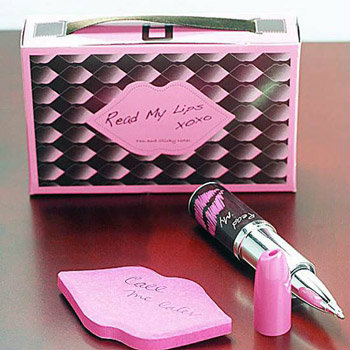
10. Read My Lips Sticky Notes
เป็นโน๊ตที่เหมาะกับคุณผู้หญิงที่สุดตั้งแต่เคยเห็นมาเลยนะเนี่ย


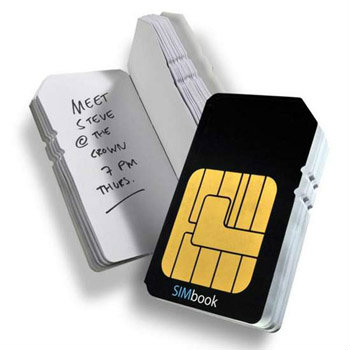
9. SIMBook Notepad

ออกแบบให้เหมือนกับ SIM มือถือ


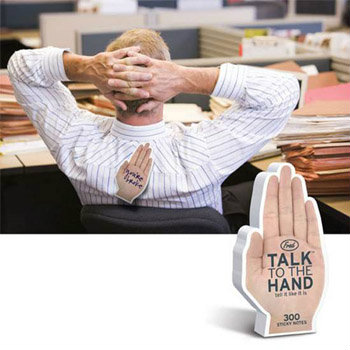
8. Talk to the hand sticky notes
ทำออกมาในรูปแบบของมือ แปลกแหวกแนวดีครับ


7. Fruit Memo Pad

มันจะเหมือนอะไรขนาดนั้น เกือบจะกินแล้วนะเนี่ย


6. Murder Ink

แนวสุดๆเลยกับเจ้ากระดาษโน็ตสุดแนว มีพร้อมปากกาโชกเลือด และเจ้ากระดาษโน็ตเป็นรูปร่างคน และจะมีรูให้เสียบปากกา


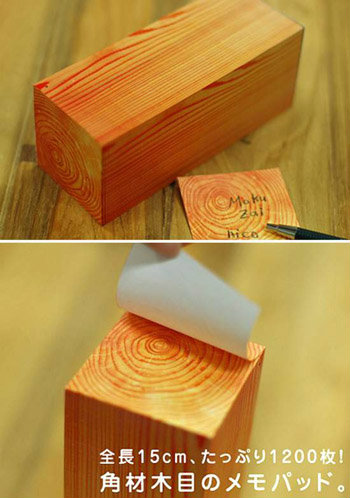
5. Clever Memo Block Sticky Note Pad

ถ้าไม่บอกว่าเป็นกระดาษโน็ตบอกตรงๆว่าผมก็คิดว่ามันเป็นท่อนไม้มากกว่า


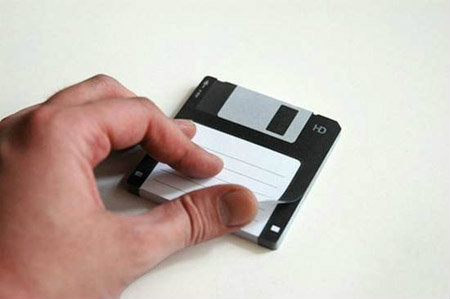
4. Disk-it Sticky Notes

ทำออกมาในรูป Disk ขนาด 1:1 เหมือนมากๆ


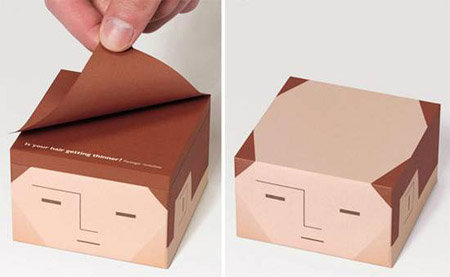
3. Balding Memo Pad

ใช้มากๆ หัวล้านกันเลยทีเดียว


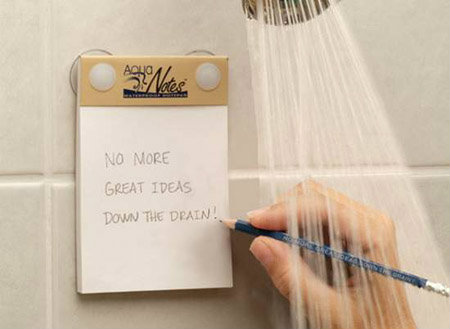
2. AquaNotes Waterproof Notepad
กระดาษโน็ตกันน้ำ เวลามีไอเดีย หรือ นึกอะไรออก ทีนี้เหละ จะได้จดได้ โดยไม่ต้องกลัวเปียกซะที


1. Ipad โน๊ต

เห็นช่วงนี้ฮิตกันจริงๆ มองไปทางไหนก็จิ้มๆกัน ถือกระดาษโน็ตอันนี้ก็เหมือนถือ ipad เลย ขนาด 1:1 เลยนะ เนี่ย

คุยกันมันส์ๆ